Logo
  • Home
  • Chiropractic
  • Acupuncture
  • Additional Services
    • Find Your Solution
  • Memberships
  • About Us
Logo Logo
  • Home
  • Chiropractic
  • Acupuncture
  • Additional Services
    • Find Your Solution
  • Memberships
  • About Us
  • Request An Appointment Now
October 3, 2018

Don’t Shrug Off Your Shoulder Pain

Dr. Charbel Shoulder Pain Post a Comment

Prevent Further Shoulder Pain and Injury with Chiropractic

Do you suffer from a chronic shoulder pain? Were you told it was a rotator cuff injury? What is a rotator cuff?

Let me begin by answering the latter question: the rotator cuff is comprised of four muscles that surround the shoulder joint: Supraspinatus, Infraspinatus, Teres Minor and Subscapularis (SITS). The origins of these muscles are found primarily along the scapula (your shoulder blade), along with 9 other muscles! The scapula is what keeps your arm attached to your body and allows fluid motion of your arms away from your body during movements like swinging a golf club, lifting weights and throwing a ball.   Together these structures provide support from your arms to your core.  Without proper stabilization and joint centration, the shoulder becomes more susceptible to pain and injury.

Simply put, imbalances in the muscles actually change the axis of motion in the shoulder, decreasing range of motion and function and increasing the likelihood of injury.  Terms like “frozen shoulder”, “scapula winging” and “impingement syndrome” are the results of instability around the shoulder joint.  Overuse syndromes or a “tendinosis” can occur when imbalances cause certain muscles to be overworked while others are left over-utilized.  This causes an inability to incorporate proper sensory input to the muscles, which in turn further reduces the range of motion.

Now lets address the issue of chronic shoulder pain. It is important to understand that shoulder issues don’t necessarily have to occur from one particular instance.  In fact, most people with shoulder complaints report no history of trauma or even diagnosis from a doctor.  In my experience, patients have convinced themselves that the shoulder “has given out” or “is all screwed up” from age and or activity.  Some patients just give up; others seek help but aren’t being supervised properly. Even those under professional care may be missing the underlying cause of symptoms.

If you have been doing months of rotator cuff strengthening exercises with rubber tubing and you still have shoulder pain, you may need to readdress your treatment protocols.  Without a strong base of support to work from, the rotator cuff will never be able to fully recover. The shoulder and arm can only get as strong as the muscles that hold the shoulder blade onto your body.

At Integrated Health Solutions, we work with athletes at all levels to assess, diagnosis and treat the kinetic dysfunction in the body, not just the symptoms.  In regards to shoulder complaints, techniques such as stretching the posterior shoulder capsule, strengthening the muscles that hold your scapula in place (SITS muscles) and stretching/relaxing the tight/overused muscles that pull the scapula into a different position have had excellent results.  Chiropractic manipulations and soft tissue techniques such as myofascial release, Graston, and kinesiology taping are designed to address these issues on functional, anatomical, and neurological levels. Medical dry needling has proven to be an extremely valuable tool for pain – “Adding trigger point dry needling to an exercise program for patients with chronic shoulder pain may be more cost-effective than exercise alone, according to a recent clinical trial. The combined intervention led to improved quality of life and lower…costs than exercise alone,” write authors in Pain Medicine.

Content provided by Dr. Drew Hunt



August 2, 2018

Don’t Let Your Pain Keep You Sidelined

Dr. Charbel Relieve Pain Post a Comment

IHS Sports Injury Treatments

Lets face it – injuries, especially sports-related injuries, are inevitable. Whether it’s a torn rotator cuff muscle suffered while pitching or a sprained knee from ballet dancing, injuries are a part of being active. Rehabilitation, therefore, should also be active.  I missed my entire junior year of football due to a sprained ankle that occurred during pre-season training.  I was told to R.I.C.E and…well, that’s about it. Rest, Ice, Compress, Elevate, repeat. Rest, Ice, Compress, Elevate, repeat. I was following the athletic trainer’s orders and sat passively on the sideline with a bum ankle that never seemed to strengthen. I then spent the next season taping my ankles before every practice and game and wearing ankle braces over the tape. 

It wasn’t until I read about Indianapolis Colts star Dwight Freeney rehabbing his sprained ankle 2 weeks before the 2010 Super Bowl with a chiropractor that I realized there was another way. As a chiropractor, I have been educated on the latest therapies and most effective protocols for treating all kinds of injuries. So when a patient came into our clinic on crutches with a sprained ankle, I knew this was the perfect opportunity to demonstrate our approach to injury rehabilitation. 

Patient is a 40-year-old male with an inversion sprain that occurred while landing from a flying round house kick at taekwondo.

IMG_0755

Treatment consisted of medical dry needling of the surrounding tissue with a TENs unit to decrease tension, soft tissue mobilization to remove muscular adhesions, joint centration for proper alignment and kinesiotaping to reduce swelling. This protocol was implemented twice a week for the first 2 weeks.  After just one week, swelling was down, bruising had dissipated and mobility was returning.

IMG_0436

After 4 visits the therapy shifted to exercises and treatments that promote joint motion and weight-bearing.  A study by Linde et al. supports this approach – the study consisted of 150 patients with inversion sprains being treated with early motion and weight bearing exercises. After one month, 90% of patients demonstrated pain-free gait and 97% had increased work ability.

IMG_0595

Within 8 visits, the patient’s issues had resolved and so the emphasis turned to preventative care and improving resilience through balance training. 

At Integrated Health Solutions, we take an active approach to our patient’s injuries and pain with a primary focus on functionality.  Our goal isn’t just to get you back on the field, its to make you the best version of you possible so that you can enjoy physical activity without fear of re-injury. 


Content provided by Dr. Drew Hunt

Sources: 

  1. https://www.lanjochiro.com/2010/02/dwight-freeney-superbowl-hopeful-using-chiropractic-to-heal-ankle/
  2.  Linde F, Hvass I, Juergensen U, Madsen F. Early mobilizing treatment of ankle sprains: A clinical trial comparing three types of treatment. Scan J Sports Sci.1971;8:71-7


November 11, 2016

7 Natural Ways to Relieve Pain

Dr. Charbel Relieve Pain Post a Comment

Holistic Approach to Pain Management

Do you find yourself with new aches and pains on a regular basis? Maybe it’s from an intense work out, a long drive, or perhaps you’ve chalked it up to just simply part of this glorious thing we call aging. Whatever the reason, before you pop a pill to dull the pain, take into consideration the damage medications can cause. Ibuprofen, which is the go to for many, can trigger ulcers and increase blood pressure; and even low doses of aspirin can cause intestinal bleeding. It’s very well known that prescription painkillers are highly addictive, and can even be lethal. So, before you grab a bottle of meds from the medicine cabinet, (or drawer…I don’t know where you keep these things) consider an alternative approach. Here you will find 7 simple remedies to ease your pain:

  1. Use meditation or deep breathing to relax. These techniques send messages to your muscles to release tension and tightness. Like hey, deltoid, chill the hell out. If you notice an ache or pain during the day, take a moment and find a quiet location, relax your body, ignore distracting thoughts, and focus on deep breathing. Meditation will help calm the mind and the body while delivering powerful pain-relieving chemicals to the brain.
  1. Exercise to release natural endorphins. While a strenuous workout may not be doable if you’re in pain, movement and exercise will help diffuse your symptoms. A low-impact workout will help gently stretch and strengthen the muscles. Endorphins released during exercise help improve your mood while also blocking pain signals.
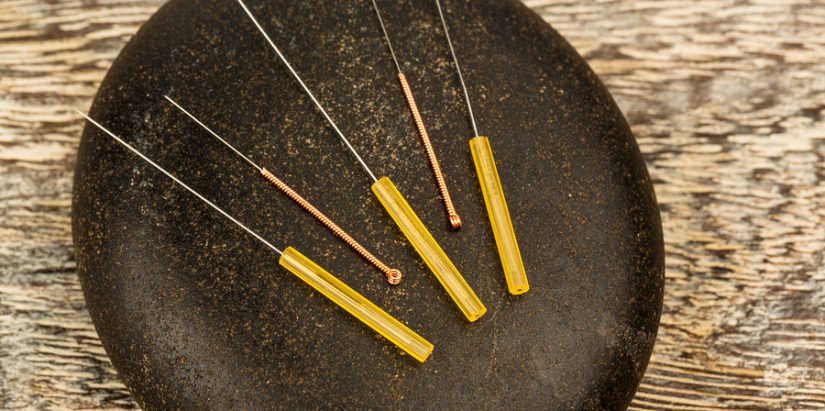
  1. Release natural painkillers with acupuncture. Regular acupuncture treatments help prevent pain and are an excellent treatment alternative during flare-ups. Thin, essentially painless, needles are strategically placed to encourage better circulation of blood and nutrients throughout the body, helping to relieve pain and inflammation.
  1. Reduce stress. Stress can be the cause of so many of our ailments. Negative feelings can increase the body’s sensitivity to pain. We are not suggesting you quit your job, or tell your mother in-law how you really feel, but learning to take control of your stress may help you find relief from your pain. There are several techniques to reduce stress and promote relaxation; we highly recommend flotation therapy as the ultimate stress reliever.
  1. Watch what you eat. Avoid eating inflammatory foods, such as sugar, processed foods, sugary drinks, etc. Fresh, whole foods from organic sources have pain-taming nutrients. Pain and inflammation go hand in hand, so adjusting what you put on your plate, may help ease your pain. For more information on anti-inflammatory foods, check out our Guide to a Healthier Lifestyle.
  1. Heal with heat. A few weekly sessions in an infrared sauna can help relieve pain, and provide many other amazing benefits. Infrared heat is more than just hot air. It penetrates tissue, joints, and muscles—relieving pain from injury and chronic conditions.
  1. Freeze yo self. Whole Body Cryotherapy stimulates circulation, and as blood flows through your body it brings with it healing agents like oxygen and other nutrients. By purifying your blood, soft tissue healing is accelerated, and most patients report reduced pain after just one session.

Taking a more holistic approach to pain management, will not only help you find relief from your pain, but will also help you avoid the adverse side effects of medication.

August 11, 2016

Flotation Therapy and You in Mind: 5 Benefits of Flotation Therapy 

Dr. Charbel Flotation Therapy Post a Comment

Flotation Therapy Provides Physical and Mental Benefits 

“Quiet the mind, and the soul will speak”, words spoken by spiritual teacher and yogi, Ma Jaya Sati Bhagavati. And as it turns out, there is actually some truth to the mantra. In the world of therapy, sensory deprivation functions to supplement the saying. As a means of reducing the amount of sensory input to the brain, flotation therapy works to isolate sensation, sight, and sound in order for your brain to reach its maximum potential for relaxation. 

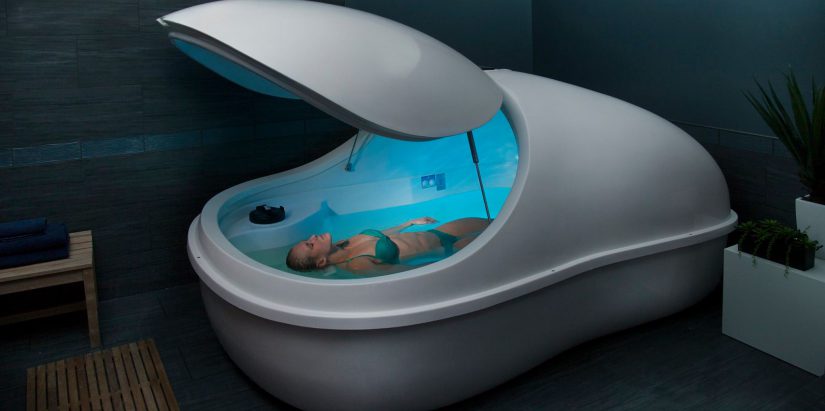
Flotation therapy is a method in which you are suspended in a buoyant Epsom salt bath, cut off from the outside world in a giant tub, which looks something similar to an alien’s spacecraft. Many meditation connoisseurs use flotation therapy to “unlock deeper levels of consciousness”, while your normal average Joe uses flotation therapy to catch some shuteye and relaxation after a long day of business related mumbo-jumbo. The thing that both individuals have in common is this: they’re both receiving a myriad of benefits. Let’s take a look at 5 of those benefits:

1. More Magnesium, Less Misery. Most people know little about magnesium and it’s effect on the body, but it is actually quite an important mineral needed for our physiology to function smoothly.  Generally speaking, most people lack magnesium in their diet. Luckily, we can absorb it through our skin! With flotation therapy and magnesium combined, we are now able to get all the benefits from magnesium as well as the relaxation. According to Ancient Minerals’ research, “Magnesium is known to reduce muscle tension, lessen pain associated with migraine headaches, improve sleep, and address neurological disorders such as anxiety and depression.” Give me magnesium and I’ll give you relief.

2.  Joint Decompression. Do you ever feel like gravity gets you down?  It should come at no surprise… but it does. Gravity constantly affects us day after day, pulling and weighing down on our joints. According to Fade Away Flotation, flotation therapy takes away approximately 80% of gravity’s effect on our bodies while we float, giving us a chance to decompress. Our joints never felt so alive! Let’s all take a moment to jump for joy.

3. It Increases Your Mental Performance. Maybe you’re an athlete hunting for that extra edge, or an artist pursuing your everlasting muse; one thing is for certain, you’ll have a better chance finding what you seek if you use flotation therapy. According to the Finer Minds team, your brain has 5 different frequencies, each serving a different function. One of the frequencies is the Theta Wave Frequency and it is responsible for boosting creativity and inspiration. When you float, your brain is capable of reaching this frequency with less effort, allowing you more time to focus on the bigger things. Finding inspiration can be difficult, especially with your busy schedule. Why not make it easier with flotation therapy? Your brain waves will thank you.

4.  You’re Bound to Relax. The less chatter there is in your head the more likely you’re to relax. It has been scientifically proven that the less sensory input to the brain, the easier it is to reach those relaxing theta waves. Usually, commotion in the brain inhibits any sort of steady wavelength; it makes it hard for your brain to reach those relaxation stages. Flotation therapy eliminates that commotion for a relaxing experience!

5. It’s Been Time Tested. John C. Lilly first developed flotation therapy in 1954. Since then, there have been many experiments involving flotation therapy and its effects on individuals. Ever since its first appearance in the 1950’s, flotation therapy has skyrocketed in popularity due to its effectiveness. Ah! Flotation therapy, brought to you since 1954.

Flotation Therapy may sound mysterious, daunting, or even exciting; albeit the fact of the matter is that it’ll benefit you. You’ve got magnesium soothing your body, sensory deprivation quieting your brain, and the benefits of flotation and its entirety boosting your mental acuity. What more could you ask for from a tub of water and 900 lbs. of Epsom salt? Time tested and scientifically proven, flotation therapy has you in mind.

November 17, 2015

Meet Our Newest Member: Ms. Floatie

Dr. Charbel Flotation Therapy Post a Comment

Experience Our New Flotation Pod

Ever have one of those days where everything seems to be going against you and you have no control over your day’s outcome?

I know, right! Sounds like most of our days.

Sure, you are still breathing but are you really living? What does that even mean? If you are nodding your head right now, then we can both certainly relate.

Stress is in both of our lives and I will be the first to admit it. There is no gain in hiding it but only in exploring ways to become in control of it instead of letting it control us. We both know stress is inevitable and there is only so much we can handle solely.  

What if I were to tell you there was a simpler solution? And what if you weren’t alone?

Wouldn’t it be divine for your mind and body to slow down for a change with restless thoughts fading out and reaching exhilarating feeling of emptiness.

Now, let’s try something together. Let’s take a journey together into the galaxy far- far away to Mars or Venus…depending on who is reading.

Imagine we are floating through space, weightless. All sensations of sight, sound, temperature, even the light stress of supporting your own body has simply slipped away.

11958292_742218309220311_4707662409808165472_o

Are you with me? Ok… just checking!

Now, imagine that all you have to do to get into that space is to step into a flotation pod. As you slip into the pod, dense magnesium-sulfate water inside the pod supports you so profoundly that you float in perfect suspension. Soon the water and air temperatures adjust so that you can no longer tell where one stops and the other begins, leaving you in a place where you’re peaceful, serene and calm.

This is the point where you are relieved of the responsibility of maintaining yourself in three-dimensional space you’ve been confide in as you know as your reality. Instead you begin living in a place of perfect relaxation free from your thoughts with full control of your life. You are now breathing and living once and again and ready to conquer and reach your full potential!

Did you know this mystery device by the name of Flotation Pod has been utilized over the last 60 years that has been clinically researched with immense benefits? If not, need not worry. You’re not the only one.

This device helps sustain control over one’s stress caused by external factors in many cases and has been known to contribute to one’s various physical and psychological wellbeing.

No matter who you are, where you’re from or what your life is like, chances are you’ve got some stress from time to time. It’s no coincidence that you pondered on this letter from me today.

I hope today’s video brings you a solution and you enjoy meeting the newest member at our clinic whom we know as Ms. Floatie. 

Now… click away to learn more about this amazing and unique experience and the specific revelation of the benefits for you.  See you here soon!

[youtube_sc url=”https://www.youtube.com/watch?v=vQPkQXix8ug”]

P.S. I’m certain you know someone who is currently stressed out. Please help them and spread the love by sharing this post with your best friends, clients and colleagues. They’ll thank you for it, and you can take full credit.

About Integrated Health Solutions

Dr. Charbel Harb is a licensed chiropractic physician and the Medical Director of Integrated Health Solutions. Our core belief is that each patient who walks through the doors is a person, not just a medical record or chart. Our greatest pleasure is bringing joy to our patients and helping them to fully embrace life, allowing them to enjoy each day: active, healthy and pain free.

December 16, 2014

9 Tips for Finding the Best Chiropractor

Dr. Charbel Chiropractor Post a Comment

Search For The Best Chiropractor Near You

Finding the best chiropractor can be hard nowadays with so many out there.  Like everything else, finding the best chiropractor starts with doing research and understanding what it is you are looking for.  Referrals are typically the best way to find a good provider, whether it be from another provider or a friend. First hand experience from a friend is always extremely valuable, because a friend will be honest with you about what you are getting yourself into and ultimately if you should go through with it. However, if you are new to the area, or your friends and family are not familiar with chiropractic treatment, here is a helpful guideline and what to look for:

1. We encourage you to find a chiropractic physician that will listen to you, and answer your questions.

2. Look for a chiropractor that engages and empowers you through education and home exercises, which in turn will give you control over your health.

3. We recommend a chiropractor that integrates active care and functional care – such as stretching hip flexors, strengthening glutes, activating core. Active care typically involves the active participation of the patient, such as teaching proper breathing techniques and functional standing and sitting exercises. [youtube_sc url=”https://www.youtube.com/watch?v=F-URrvHuKeo&list=UUywozp0WIbd3OU4N9KQlUag”]

4. Read the reviews for social proof. Looking for online reviews from third party sources, such as Angie’s List, Yelp, Google, Indy A List, etc., as opposed to the reviews on the chiropractor’s website, will paint a more clear picture of how other patients feel about the provider.

5. Verify that the chiropractor has a good rapport within the medical community, you may simply ask the office staff when you call.

6. Interview your doctor.  Meeting your potential chiropractor is not only a good way for you to experience what the environment is like, but it also gives you a chance to see how the doctor uses their time, and if they are attentive towards you. If the chiropractor doesn’t give you their full attention on that first day, you can probably assume that they won’t give you their full attention down the road.

7. Don’t feel like you have to commit on your first visit. Take your time; interview a few chiropractors until you find the one that is right for you.

8. Avoid the salesman; the best chiropractors shouldn’t be selling you big packages or pressuring you to start a treatment plan.

9. Ask questions, to get a better idea of what they do and how they do it.

Keeping these guidelines in mind will help you find the best chiropractor for you. For more helpful advice, or to learn more about Dr. Charbel, contact our Indianapolis chiropractic clinic today at 317-449-2020.


About Integrated Health Solutions

Dr. Charbel Harb is a licensed chiropractic physician and the Medical Director of Integrated Health Solutions. Our core belief is that each patient who walks through the doors is a person, not just a medical record or chart. Our greatest pleasure is bringing joy to our patients and helping them to fully embrace life, allowing them to enjoy each day: active, healthy and pain free.

December 8, 2014

Interview with Our Patient, Lindsey Hein, Winner of the 2014 Women’s Running Cover Model Contest

Dr. Charbel Patient Interview Post a Comment

Lindsey Hein IHS Patient Interview

Our patient, Lindsey Hein, winner of the 2014 Women’s Running Cover Model contest, was nice enough to take time out of her busy schedule to share her story with us:

Can you share a little of your story with us, in regard to the BRCA2 gene mutation and the choices you were forced to make?

My Grandmother had breast cancer in her forties, survived and twenty years later was diagnosed with ovarian cancer. Once she had the ovarian cancer diagnosis, she was tested for the BRCA2 gene mutation and found out she was positive. The BRCA2 gene mutation puts you at an 86% risk of breast cancer and 27% risk of ovarian cancer. My mom found out she was positive five years ago and immediately underwent preventative surgery —  prophylactic double mastectomy and a hysterectomy.

We have since found out that many other women in my family have the mutation, including myself. If one of your parents has the mutation, you are at a 50% risk of carrying it as well. I put off having the test done for three years after my mom found out she was positive. I was fearful that I was and deep down was scared about having the surgery.

I decided to take the test to find out if I was positive when my son Marshall turned one. We were wanting to have more children, but I felt that it was important to face this fear first. I found out I was positive while I was training for my first half ironman. I remember very clearly swimming laps (something new and intimidating to me!) and clearing my mind and feeling strong about what I might find out.

By sharing your story with others, what is the most important thing you hope they will take from it?

My biggest hope is that my story will encourage someone to face their fears and be proactive. It is easy to let fear cloud your vision, when really the more you know, the more power you have to make sound decisions that can positively effect your life.

What do you think is the most important piece of advice for someone who isn’t into running, but wants to start? How would you advise them to start the training process?

The biggest piece of advice I have for someone who wants to start running is start slow and make short term goals. If you don’t run at all, it is wise to start with a run/walk and slowly build, starting with something along the lines of run 1 minute, walk 2 minutes for 15 minutes. It’s important that you don’t add too much; to avoid injury never add more than 10% to your current weekly mileage. I also encourage every runner to be proactive with post run stretching and don’t ignore basic strength training. Push ups for everyone!

How do you keep people motivated to continue their training? Was there ever a time when you were unmotivated and if so how did you overcome it?

I try to encourage people to think about the end result. Focus on what your hard work is for — what is your ultimate goal? Everyone has a different answer to this question. It could simply be that you want to get healthy and feel good, or it could be that you want to run a Boston Qualifying marathon time. While it’s important to take it one day at a time, I think it’s important to imagine what you want your end result to be and dream on that.

What would you say your most enriching experience as a running coach has been? Why?

The most enriching experience as a coach is definitely seeing athletes achieve big goals and being a small part of that. As the coach, I’m prescribing workouts and giving advice but ultimately it is up to the athlete to execute and put the work in. You can give someone all the tools they need to have a strong season and hit their goal race, but they have to put the work in and the mental game is on them on race day and it’s so fun to see athletes stay tough and do what they set out to do, because you know they are capable!

Would you please explain a typical day and include what you do for exercise, meals, family time and anything else you do on a regular basis?

My typical day starts with a little work before my son Marshall wakes up — once he’s up, we usually hit the gym, head home, he naps, I work some more and we usually head out for the Children’s Museum, errands or anything else I can think of to get us out of the house for some of the afternoon. He goes to pre-school on Tuesdays and Thursdays now for 5 hours, so I have that time to work and get things done.

I’m 8 months pregnant now, so my exercise schedule mostly just consists of easy workouts 4 days a week and staying active on the other days. When I’m not pregnant, I always have a goal race to train for and use that as my motivation to work hard. While I like accomplishing big goals, the biggest reason I stay up on working out and running hard is because it makes me a happier, nicer person. I use the endorphins as my natural anti-depressant and they work.

Because nutrition is such a big part of training do you recommend any type of diet for those that run and are training for marathons? Should you eat this type of way all the time or just leading up to race days?

I really think keeping nutrition simple is where it’s at. Make sure you are eating plenty of vegetables and choose real food over processed foods. I’m personally a vegetarian, but I don’t think that’s for everyone. The best piece of advice you can give someone days leading up to a big race is don’t change anything, stick to what you are used to. No new foods. When we talk about carb loading days leading up to a race, this would mostly be for longer distance races like marathons and even when you do that, you want to make sure you aren’t increasing your calorie intake, just replacing some of the protein and fat with carbohydrates.

And finally, how does it feel to be on the cover of Women’s Running Magazine?

It was a fun experience to do the Women’s Running Cover shoot and I was honored to be on the magazine. Most importantly I was thankful to Women’s Running and Saucony for giving me the platform and opportunity to share my story and hopefully encourage someone else to be brave and face their fears.

Related: Out for a Run

About Integrated Health Solutions

Dr. Charbel Harb is a licensed chiropractic physician and the Medical Director of Integrated Health Solutions. Our core belief is that each patient who walks through the doors is a person, not just a medical record or chart. Our greatest pleasure is bringing joy to our patients and helping them to fully embrace life, allowing them to enjoy each day: active, healthy and pain free.

October 28, 2014

The Role of Acupuncture in Depression and Cancer

Dr. Charbel Acupuncture Post a Comment

How Acupuncture Is Beneficial For Individuals with Depression & Cancer

Acupuncture has been around for thousands of years and is a key component of Traditional Chinese Medicine for which it is used to correct imbalances in the body.  But that’s not all it can do. Studies have shown that acupuncture can help against depression and be helpful for cancer sufferers too.  Recent studies have shown that acupuncture adds many benefits to the body and is a great asset to those who suffer from diseases ranging from cancer to depression.

Depression is associated with multiple symptoms, some of which include fatigue, lack of happiness, excessive sadness, anxiety and many others. In a recent study, acupuncture was distributed alone or with medication such as SSRI’s (Serotonin Reuptake Inhibitors).  It was found that acupuncture actually enhances the effectiveness of these drugs, as well as reduces the side effects that these drugs can cause.  An analysis of the research found that acupuncture helped mild depression, as well as moderate and severe depression disorders.  This research is invaluable to those who suffer from depression.

Acupuncture has been shown to help cancer sufferers in recent research done by several universities. Patients who undergo treatment for cancer experience horrible side effects, such as nausea, hot flashes, insomnia, lack of motivation, dry mouth, and many others.  There has been a great deal of research on how acupuncture, used in conjunction with cancer therapies, can reduce the side effects associated with radiation and chemotherapy.

It has also been found that acupuncture actually increases serotonin output in the brain, thus releasing opiates, which are responsible for alleviating pain; they also protect the immune system and its function.

Other studies have shown that acupuncture is beneficial in slowing cancer cell division, as well as reducing tumor-related inflammation. In fact, in the 1990’s, cancer clinics in California refused to see cancer patients who were not simultaneously receiving acupuncture treatments.  According to the clinics, cancer patients had significantly higher outcomes if their cancer treatment was in conjunction with acupuncture.

It is important that we understand the significance that acupuncture can provide and really use it to our advantage in order to help people feel better.  Continuing this type of research will be beneficial in our society as time passes and we continue to look for cures for multiple diseases and disorders. Contact our Indianapolis chiropractic clinic to learn more about the benefits of acupuncture.

Sources: Acupuncture for Symptom Management in Cancer Care: an Update, Is Acupuncture Beneficial in Depression, Can Acupuncture Relieve Depression?


About Integrated Health Solutions

Dr. Charbel Harb is a licensed chiropractic physician and the Medical Director of Integrated Health Solutions. Our core belief is that each patient who walks through the doors is a person, not just a medical record or chart. Our greatest pleasure is bringing joy to our patients and helping them to fully embrace life, allowing them to enjoy each day: active, healthy and pain free.

October 10, 2014

Interview with the CrossFit NapTown Team 2014 Central East Regional Finalists

Dr. Charbel Patient Interview Post a Comment

CrossFit NapTown Team Interview

At our Indianapolis chiropractic clinic, we encourage our patients to find workout programs that best fit their specific needs. Many have asked us about cross fit  of them ask about CrossFit, how to get started, and what the advantages are. Jared Byczko and Peter Brasovan, CrossFit NapTown co-owners, recently answered questions that we hope will help you as you search for the right exercise program for your needs.

Would you briefly introduce the CrossFit NapTown team?

Jared Byczko

Peter Brasovan

Jared Cantrell

Jen Binkley

Molly Mason

Anna Rode

What is the combined experience of the team with CrossFit? 

I would confidently say our team of six has 35+ years of experience in the world of CrossFit.

How did you guys train? 

For 2014, we used a competitive programming system from a Coach who owns and operates CrossFit Ann Arbor, also known as HyperFit.  It’s a system that focuses on volume, which in the end hits most areas that will be tested at any CrossFit competition.

I know you welcome everyone to try CrossFit. Could you give some examples of the benefits? What do you find most helpful?

It’s a community of like-minded individuals.  We don’t force people to be here.  We want people to be here!  We want fitness to be accessible to everyone (look for a NapTown Fitness near you). Benefits include:

  •     Education in regards to nutrition and diet.
  •     Coaching technique and proper movement mechanics.
  •     Friendships developed.
  •     Networks created leading to job opportunities.
  •     Health, Wellness, and Nutrition
  •     Scalable to all skill levels.  Whether you are a Division 1 athlete or a 75-year old grandmother, you can do CrossFit.  Just make sure you have the right coaches and support staff that understands the industry.

All in all, CrossFitter’s are driven individuals who don’t like to be bad at things, like a challenge, and aren’t afraid to try something new.

Do you log progress?

We ask that our athletes log their scores on our whiteboard, because competition breeds success.  Every person completing that day’s workouts will try to beat the next best person on that whiteboard.  That’s the name of the game… from the competitive aspect of CrossFit that is.

What nutritional program do you guys follow?

At this point in our CF careers there really is no right or wrong answer.  I always tell people to experiment with different options.  Find out what works for you and what doesn’t.  I don’t recommend one diet or one “lifestyle.”  People often talk about Paleo in the world of CrossFit and I think that is fine for many.  It gives people direction and guidelines to follow, which many people need.

However, I do like the Paleo Diet for another reason.  We use it for challenges often at our facility, because it allows you to create a “science experiment” for yourself.  It gives people the opportunity to educate themselves, as well as use their body as a “control” system for this experiment. Simply put, clean up your diet with natural foods, cut out sugars, get rid of all processed items, and sustain for a duration of time.  Once the desired or agreed upon duration of time is complete, start slowly adding in foods you miss or you like.  I guarantee your body will tell you what it likes and doesn’t like.

What do you think the biggest challenge is to going Paleo?

Too many people go “cold turkey” and hate the first week of Paleo. Why? Because you just took one of the most addictive drugs in the world out of your body and guess what… your body doesn’t like that! It’s like taking cocaine away from an addict for a week and hoping they have no side effects. Sugar is evil to our health.

What was your workout schedule like in preparation for the games?

5 days a week, 3-4 hours a day.

Within those 3-4 hours, there were multiple levels to the program; strength, skills, conditioning, cool down, and most importantly MOBILITY!  When you train at such a high volume, your body gets destroyed, so you MUST take care of your body.  I think this is the biggest drawback to competitive CrossFit and why I don’t always recommend for athletes.  We all do CrossFit to be healthier and often times the competitive side does the opposite and tears you a part, mentally and physically.

Why did you choose this particular method of training?

For the purpose of making it to the Games for 2014, we committed ourselves to one another as teammates and friends.  We wanted a platform in which we could all do the same work and train together to bring us together as a team.  It gave each and every one of us something to chase after day in and day out, which is needed when you do high volume training.

How do you try to minimize your risk of injuries? And what does your team do for recovery?

Minimizing the risk of injuries is the name of the game in CrossFit.  Those who can train more without injury, get better. Those who get hurt and are sidelined don’t get better.

You have to be smart about your body.  You need to know how to differentiate between pain and soreness. I know that sounds so similar, but there is a big difference.  Working through soreness can be good.  Working through pain can be bad, and lead to long term injuries.

Any final words?

The accountability that our community builds pushes people harder than they would push themselves on their own.  We have some of the best CrossFit Coaches in the state of Indiana and we stick by that statement.

If you are looking for a CrossFit facility near you, I encourage you to do your due diligence.  Every affiliate is independently owned and operated so you will get a different product everywhere you go.  Find the one that feels like “home” to you and you will be in a good place.

About Integrated Health Solutions

Dr. Charbel Harb is a licensed chiropractic physician and the Medical Director of Integrated Health Solutions. Our core belief is that each patient who walks through the doors is a person, not just a medical record or chart. Our greatest pleasure is bringing joy to our patients and helping them to fully embrace life, allowing them to enjoy each day: active, healthy and pain free.

October 2, 2014

The Importance of a Deload Phase for Athletes

Dr. Charbel Relieve Pain Post a Comment

Benefits Athletes Obtain Scheduling Deload Phases

We all strive for progress. We want to see ourselves improve and grow, whether physically or professionally. At our Indianapolis chiropractic clinic, many of our athlete patients ask us why they are hurting, and not making more progress? What we typically see as a common denominator is a lack of built in deload phases in their workout program.

Many athletes incorporate very little, if any deload phases into their training schedules. Most are focused on pushing the limit at each workout, doing so multiple times a week, and not giving the body any recovery time. This repetitive strenuous demand eventually lead to chronic wear and tear on the joints and muscles, and potentially cause irreversible damage. To prevent this from happening, and to decrease the risk of injuries, I highly recommend a deload phase.

A deload phase is essential for the body to repair connective tissue and restore hormonal balance. Muscles recover much faster than other tissues in the body, due to their increased vascularity. However, connective tissues need longer time for proper recovery. Hence, deloading phases will help decrease the chances of developing tendonitis, tendinosis, and other forms of joint pain.

Did you know you actually get stronger during your recovery phase? Your system adapts to the stress and stimulus (snatch, squat, etc.) during the rest phase, so when you expose your system again to the same stimuli (snatch, squat, etc.), it will handle it in a more efficient manner. In fact, if you constantly stimulate your system without adequate rest, you will put yourself in a deficit mode, and you will actually become weaker.

Here is a recommended breakdown on how to deload:

Plan your deload phase in advance.  Make it part of your workout routine and stick to it. When it is time to deload, just do it. Don’t wait until your progress begins to plateau, or worse yet, you experience irreversible injuries that can only be treated with surgeries. Talk about deload time then.

Deload frequently. Keep your normal rest days during the week, however incorporate a deload phase once a month, during which you should do an active deload. Again, make sure you schedule your deloads in advance and stick to them.  I recommend four to five days after every three weeks of intense training.

Stay active during your deload phase.  By active recovery, I mean you are still active in the gym or box, but the intensity is nowhere near what you would normally do on a typical workout session. Keep your workout at about 50% of the typical load, with very few reps and sets, I recommend two to three exercises each consisting of three sets or five reps. The intent of this is to keep your normal neuro-musculature connection active, without inducing any muscle breakdown or joint and ligament stress.

Use your deload time to improve stability and technique. Work on improving your lift patterns and techniques and form. Also, use this time to incorporate stability work. Many athletes ignore the importance of working out the stabilizers around joints, particularly the shoulders.

Maximize your deload time by incorporating mobility drills.  At our Indianapolis chiropractic clinic, we highly encourage you during those deload phases to incorporate lacrosse ball soft tissue drills, foam rolling drills, including some deep tissue massages, and yoga sessions,  among other mobility techniques. These drills should be targeted to improve thoracic mobility, ankle mobility,  or which ever area you find deficiency and restriction in. [youtube_sc url=”https://www.youtube.com/watch?v=LrcBFbYcWK8&list=UUywozp0WIbd3OU4N9KQlUag”][youtube_sc url=”https://www.youtube.com/watch?v=g1e8tIA_MeI&list=UUywozp0WIbd3OU4N9KQlUag”]

Learn from others. Blair Morrison, for example, works out every other day, and often works out three times, if not more, per day. He does this for three weeks, and then typically deloads on the fourth week. Gabe Subry, Anthony Malta, and Mauricio Leal also have workout schedules that you can adapt to fit your personal needs.

Maintain a proper nutritional and sleep regiment. Proper sleep (seven to eight hours) and nutrition are always important for proper recovery. A delaod phase is not a time where you slack off your healthy diet or your sleeping schedule!

Again, make sure you schedule your deloads in advance, and stick to them. A proper deload time will help you get stronger, spare you from hitting a plateau, and improve your chances of avoiding injuries.

About Integrated Health Solutions

Dr. Charbel Harb is a licensed chiropractic physician and the Medical Director of Integrated Health Solutions. Our core belief is that each patient who walks through the doors is a person, not just a medical record or chart. Our greatest pleasure is bringing joy to our patients and helping them to fully embrace life, allowing them to enjoy each day: active, healthy and pain free.


1 2 3

Recent Posts

  • Safe Alternatives to the Most Common Dangerous Exercises
  • Your health is important to us
  • 5 Proven Steps to Boost Your Immune System 
  • Have you accepted that your shoulder is always in pain?
  • What is a Chiropractic Adjustment?

Recent Comments

  • Dr. Charbel Harb on Dry Needling and Sports Injuries
  • Ryan Scott on Dry Needling and Sports Injuries
  • What is TMJ? on What You Should Know About Pain
  • Need an Excuse to Take a Break at Work? on What You Should Know About Pain
  • Dr. Charbel Harb on Will Back Pain Heal Itself?

Archives

  • March 2020
  • January 2020
  • November 2019
  • September 2019
  • October 2018
  • August 2018
  • November 2016
  • August 2016
  • November 2015
  • December 2014
  • October 2014
  • September 2014
  • August 2014
  • July 2014
  • June 2014
  • May 2014
  • April 2014

Categories

  • Acupuncture
  • Back Pain
  • Blog
  • Chiropractor
  • Dry Needling
  • Flotation Therapy
  • Joint Pain
  • Patient Interview
  • Relieve Pain
  • Shoulder Pain
CONTACTS
Office:

6330 E. 75th Street Suite 124
Indianapolis, IN 46250

971 N. Delaware St.
Indianapolis, IN 46202

Phone:

317.449.2020

Email:

amie@ihsindy.com

Appointment:

M-F: 9AM - 6PM
Open Saturdays & Late by appointment

NEWSLETTER
Signup today for our monthly free healthy tips
facebook Icon

USEFUL LINKS
Services
Contact
About

Sports chiropractors

Fishers chiropractors
Autoaccident chiropractors
Blog
PARTNERS

© 2019 Integrated Health Solutions
Terms of Use | Privacy Policy

Request An Appointment Now

Request An Appointment Now

The 3 Step Guide To Bullet-Proof Shoulders

5 Proven Tips To Treat Your Heel Pain